A friend of mine co-owns one of those Finnish software companies that other software people speak well of. They execute well and pay well, and the culture is healthy enough to end up in their advertising, as dry in-jokes that would fall flat if the people behind them didn't actually like their jobs.
He taught me photography once. He's also one of the most inventive people I know, the kind who has the next idea ready while everyone else is still explaining why the previous one can't be done. I've always found it a little odd that he became a developer and not a designer.
About two years ago he sounded exhausted when we talked. He was burned out, off work, and sure he wouldn't go back. After that I heard nothing for months, and at some point I started to wonder whether he'd left Finland altogether.
Recently I asked how he was doing. He'd been travelling and doing things I wouldn't have guessed. Then, fairly quickly, we were talking about work again, and he sounded like a different person.
He started listing things faster than I could follow: tools, small products, experiments, little systems that each fixed one specific thing. None of it was a plan for someday. Most of it was already running.
He'd been carrying those ideas for years. What AI had changed was the distance between having one and seeing it work. And I don't think he's an exception anymore.
What happens when there are thousands of him?
Digital products have long followed a familiar gravity. The winner takes most, scale compounds, and distribution protects whoever got there first. I don't see that going away.
But execution has become so much cheaper that an unusually capable person working alone can now reach the kind of product quality that used to take an early team. Not everyone can. Enough people can that it starts to matter.
So the winner-take-all logic may have to share the room with another one, where a single person with sharp judgement and one focused idea gets leverage out of all proportion to their size. Companies aren't going anywhere. What changes is what can appear before anyone has founded one.
"Move fast and break things" used to belong to companies with funding, headcount and enough momentum to survive whatever they broke. Speed meant scale: ship early, grow quickly, fix it later. The phrase assumed something big was already taking shape. The people I'm thinking of now aren't building a company first. They're building one precise answer to one precise irritation, sometimes before anyone has a name for the category it belongs in.
The most startling image tool of its day lived inside a chat app
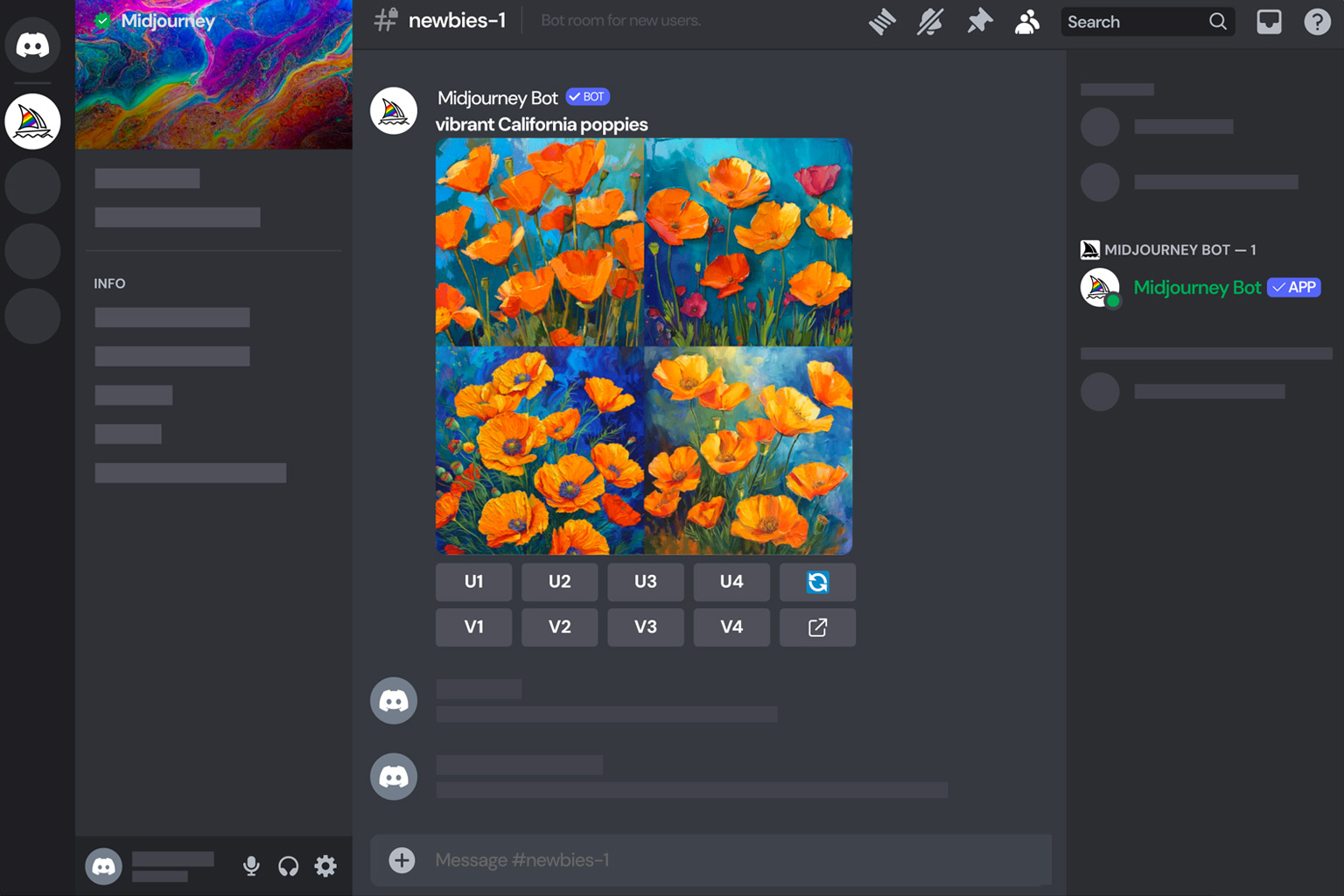
Midjourney is the clearest example. It didn't launch as a platform. It showed up as a bot in Discord: you typed a command and an image came back.
For a lot of people the first encounter was confusing. Nothing on the screen explained itself, there was no onboarding, and the product logic wasn't obvious. People stayed anyway, because the images were startling.
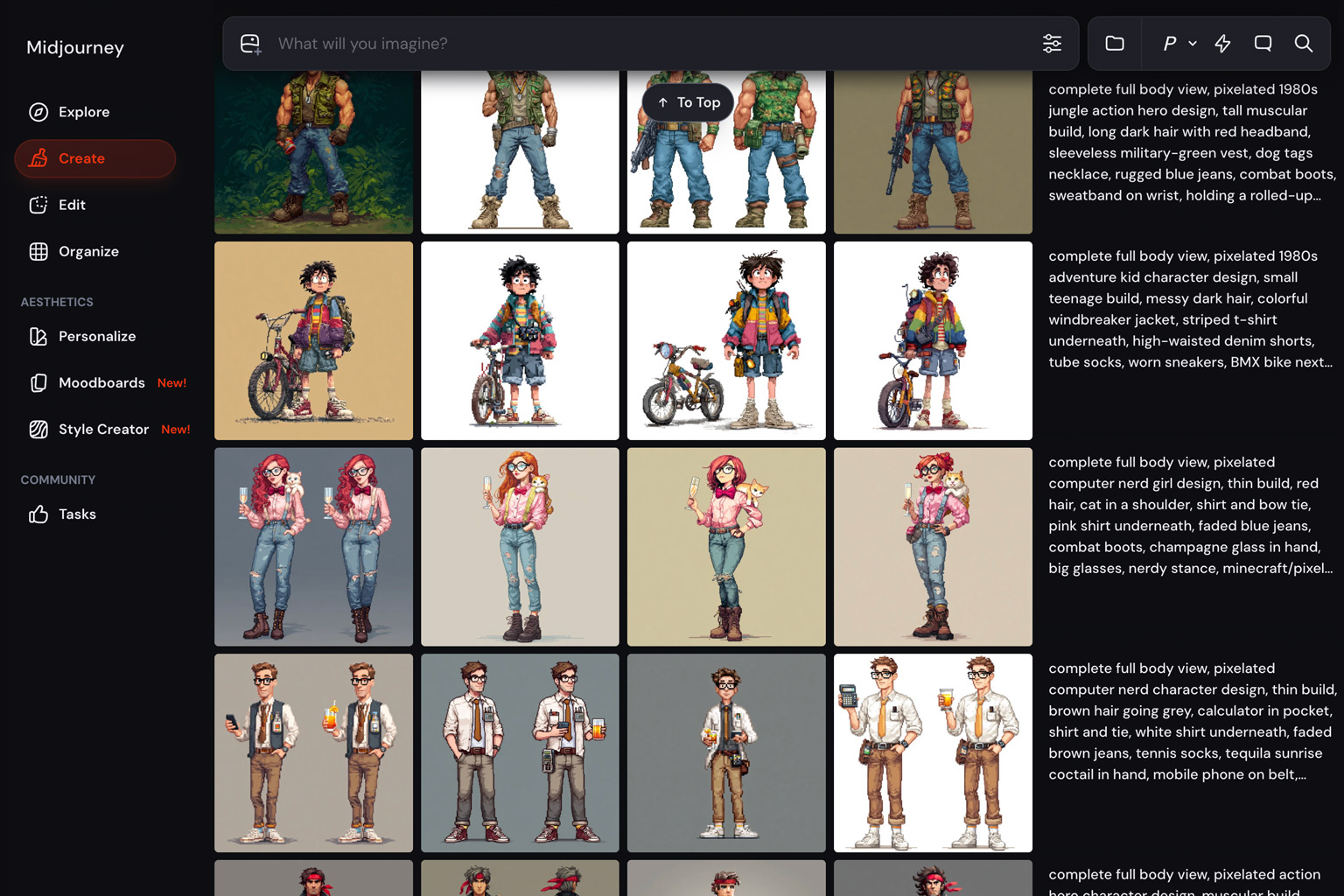
They didn't stay only to make their own, either. Everyone's prompts were out in the open, along with the failures and the odd results, so people learned by watching others experiment in real time. Users started behaving more like fans than customers, which doesn't happen often.
Most unfinished products feel unfinished because the middle isn't strong enough yet. In Midjourney the image carried the whole product while nearly everything around it stayed incomplete. That also meant the company had no reason to hurry. It could wait and see what people actually wanted before building more, which is close to the opposite of how product teams usually behave.
"Maybe there should be a few more options"
Very few products are strong enough to postpone clarity like that, and even then users only put up with unfinished structure for a while.
This is where I suspect the new solo builders will run into an old problem earlier than they expect. Execution and speed they have. What catches up with them is habit: product instincts picked up in bigger organisations, which turn up even when the team is one person. Maybe this needs another mode. Maybe there should be more options. Maybe users expect more sections. Maybe it should be bigger. Bit by bit, the product starts borrowing complexity from companies it never meant to resemble.
Every extra feature is an afternoon away now
A focused product has one advantage at the start. It does one thing so specifically that nothing inside it is competing for attention yet, so it doesn't have to negotiate with itself. That's why many of these products feel so clear early on. I don't think their founders are more disciplined than anyone else; the idea just hasn't split into pieces yet.
Keeping it that way gets harder once the possibilities open up, and AI has opened them wide. Extra features used to be expensive to build, and the cost did some of the refusing for you. Now they're cheap to imagine and not much more expensive to make, so the refusing is left to the builder.
The fast ones I'm thinking of aren't trying to scale straight away. They're trying to keep one sharp idea intact long enough to find out whether it deserves to live. That's where clarity earns its place early on, by keeping the speed from wearing away the thing people came for.