I worked at Nokia in 2006–2007.
I owned what we called a "smartphone".
It had a blinking light that flashed all night on my nightstand — like trying to sleep beside a tiny ambulance.
I asked designers how to turn it off.
Nobody knew.
After some digging, someone finally found the setting buried somewhere deep enough to explain the problem itself.
Then we learned why the light existed:
To indicate the phone was on even when the screen was off.
When Apple launched iPhone in 2007, the screen simply went dark when you were not using it.
Nobody seemed confused by that.
And I was not surprised when Nokia began losing ground soon after.
Nokia added structure to solve a problem users did not have.
Apple removed structure to eliminate a problem users did have.
One decision.
Very different consequences.
There's a Common Misunderstanding Behind Many Products
When something feels clear, people often assume it must also be simple.
But clarity and simplicity are not the same thing.
Many clear systems are structurally demanding.
They only appear simple because difficult decisions were made before the user arrived.
That work is rarely visible.
The visible layer often looks calm:
A short page. A limited number of choices. A sequence that feels natural.
But underneath that calm surface, someone already decided:
What deserves to appear first. What must wait. What can remain absent without damaging meaning.
That's structure.
And structure usually matters before visual design begins.
Limited Choices Reflect Cognitive Limits
I worked with Sebastian Greger on a project for Nelonen Media, a large Finnish media company.
We redesigned their web presence and designed the first version of Katsomo, their streaming service.
The organization had multiple TV channels, radio stations, web TV, series — everything suggested the navigation should become extensive.
We reduced it to five items.
Five is close to what working memory handles comfortably before a second visual scan becomes necessary.
Beyond that, navigation often starts serving the organization more than the user.
The visual design has changed more than once since then, but Sebastian’s five-item navigation logic remains intact.
Good structural decisions often outlive visual redesigns.
I often wonder how a company with a handful of employees ends up with twice that number in its navigation.
It rarely reflects user intent.
More often, it reflects compromises inside the company’s internal hierarchy.
When Order Is Wrong, Users Hesitate Before They Understand Why
A product can have strong features, useful logic, and technically correct content.
But if the order is wrong, users hesitate long before they understand why.
This hesitation gets misread.
Teams say:
"Users don't engage enough." "They don't explore." "They leave too early."
But the issue starts earlier.
The product asks for interpretation before orientation exists.
The same happens in writing.
A paragraph can contain all the right ideas. But if the first sentence opens the wrong direction, the reader spends energy trying to locate relevance instead of receiving meaning.
That energy accumulates.
And accumulated interpretation cost quickly feels like difficulty.
This is why good structure often feels lighter than the amount of thinking behind it.
Because structure removes invisible negotiation.
The reader doesn't need to ask:
Where should I focus? What matters first? Am I already missing something?
A strong sequence answers those questions silently.
Visual Restraint Doesn't Automatically Create Structural Clarity
Reducing visible complexity isn't enough.
A page can look minimal and still feel heavy.
A product can appear modern and still ask too much.
Visual restraint doesn't automatically create structural clarity.
Sometimes it only makes disorder look disciplined.
Good structure usually means something else:
The next step feels available before the previous one becomes tiring.
That's why many products improve not when new elements are added, but when sequence becomes stricter.
The same content.
Different order.
Different outcome.
Google Didn't Win Because It Was Simple — It Won Because It Removed Everything Between You and Your Intent
When I started using the internet, I was a Netscape fan. My search engine was AltaVista.
I remember Yahoo, Ask Jeeves, Lycos, and dozens of other portals.
Portals were the future. Until they weren't.
Suddenly everyone used Google.
Shortly after, the others didn't even exist. Not even Netscape.
Here's what happened:
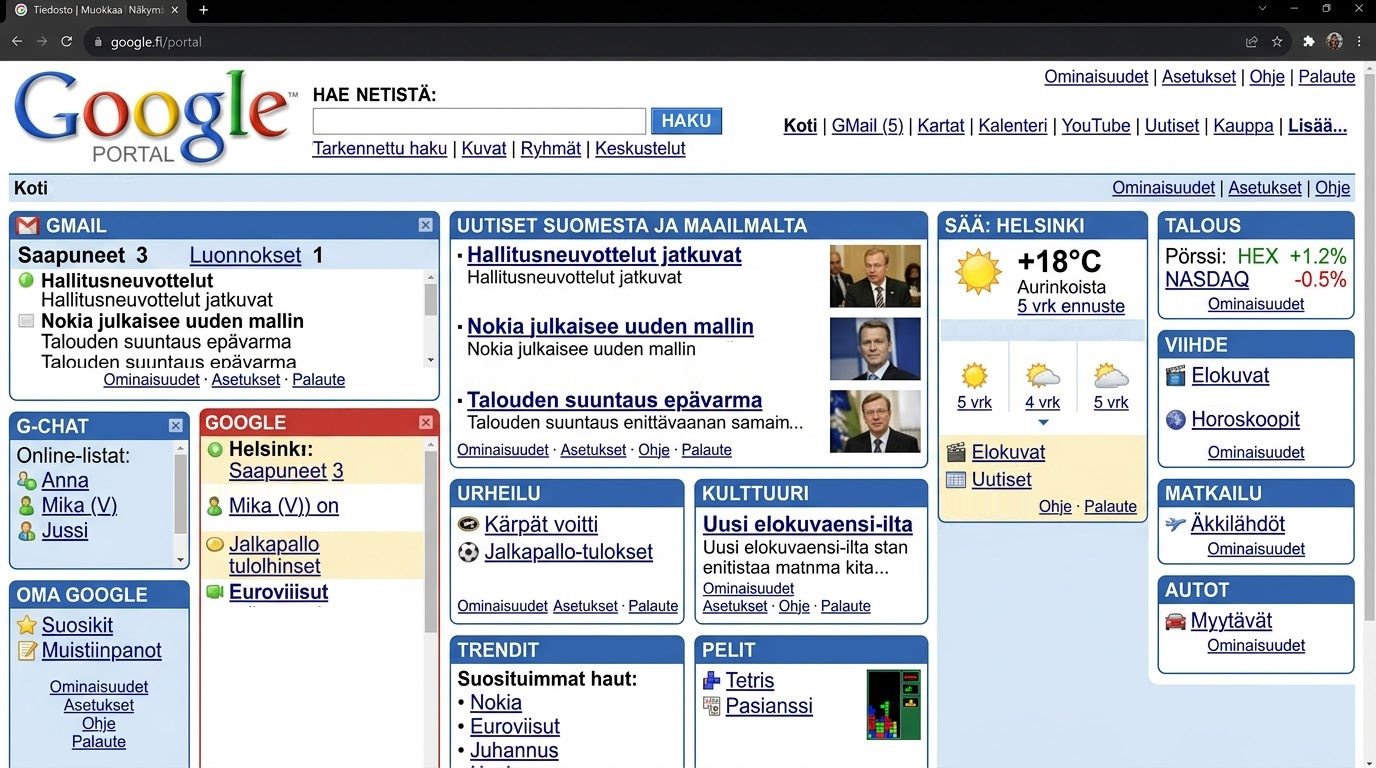
Portals assumed users needed guidance. Categories. News. Stock quotes. Weather. Email. Chat. Shopping. Games.
They built structure around what they thought users should want.
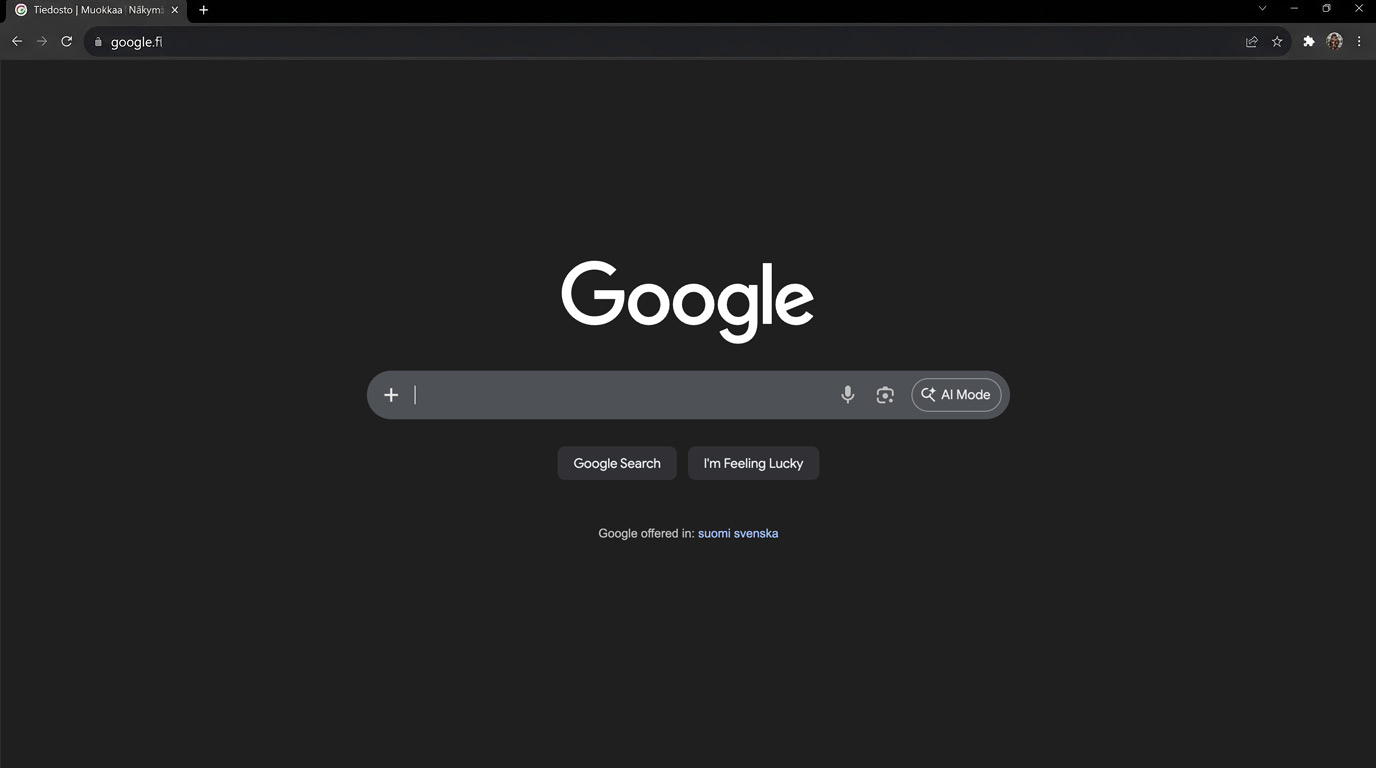
Google built structure around what users actually wanted: an answer.
One search box. One button. One intent.
Portals tried to be destinations. Google tried to get you somewhere else as fast as possible.
The difference wasn't aesthetic. It was structural.
Portals filled the page with options because they wanted to keep you there.
Google emptied the page because they understood your intent was already somewhere else.
That's not minimalism. That's clarity about what deserves to exist.
And that clarity came from a structural decision made before the first pixel was placed:
The user's intent is primary. Everything else is noise.
People Rarely Experience Systems as Wholes
They experience them as arrival.
Then movement.
Then continuation.
And each of those moments depends on what structure allows first.
Because once hesitation begins, even good content arrives too late.