
Brand clarity
Coleaders Community
A logo that failed — until it finally meant something
This is a story about getting it wrong.
One of the worst logos I’ve made in my career
turned into one of the best.
Not because I fixed the design.
Because I finally understood what the design was supposed to represent.
I thought I knew
In 2024, a client asked me for a logo.
“We’re building a community. It’s already moving.
We have our first event coming up — we need materials fast.”
Clear enough.
I knew the client.
I understood the business.
An idea formed during the call.
“This is easy,” I thought.
Why reinvent the wheel?
I could reuse typography, adapt colors, move fast.
Save time. Save money. Deliver.
Everyone wins.
I ignored the signal
There was a moment — brief, quiet — where I knew I was skipping something.
The same fundamentals I had been teaching others for years.
Understanding. Exploration. Testing.
I pushed that aside.
There wasn’t time to think.
Everything moved forward — except meaning
The client partnered with a marketing agency.
Soon, I was asked to deliver the logo.
They were already building what they called a landing page — which became a full website.
The work moved quickly.
Logo done.
Graphics done.
I felt efficient.
Then came the badges.
Small thing.
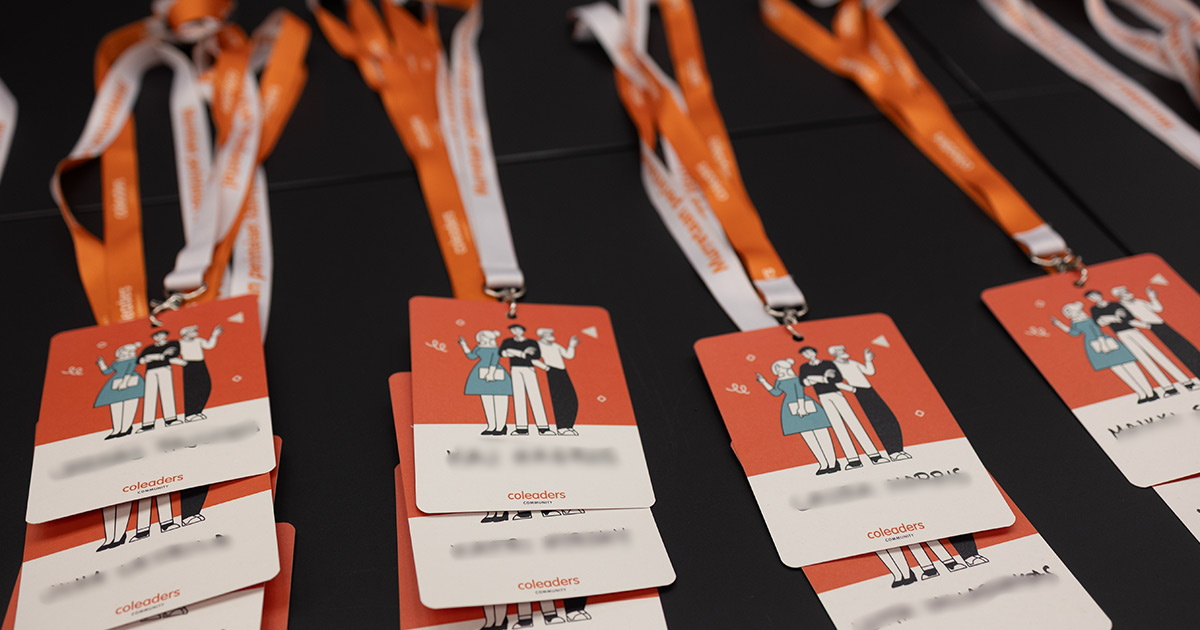
Neck badges for an event.
I sent the designs.
A message came back:
“Do we actually need the logo there?”
“Could it just be text?”
I remember the exact feeling.
A drop.
Like something inside me just gave way.
No confusion.
No need to ask follow-ups.
I knew.
They didn’t want the logo.
They didn’t want to show it.
And that hits differently than feedback.
That’s not “can we tweak this.”
That’s: this doesn’t represent us.
What failure actually felt like
I just sat there.
Looking at the screen.
Trying to understand how I got here.
Because this wasn’t supposed to happen.
I’ve done this for years.
I know what I’m doing.
At least… I thought I did.
🥢 The soy sauce lesson
For some reason, I remembered a conversation from early in my career.
I was a young designer, stuck.
I went to talk to one of the most respected designers in Finland,
Sami Koskela.
Sami was… unusual.
A skier from Lapland, educated in London.
He ate lunch at his desk, always surrounded by a small personal kitchen setup.
Messy. Personal. Alive.
I told him my problem.
He didn’t answer.
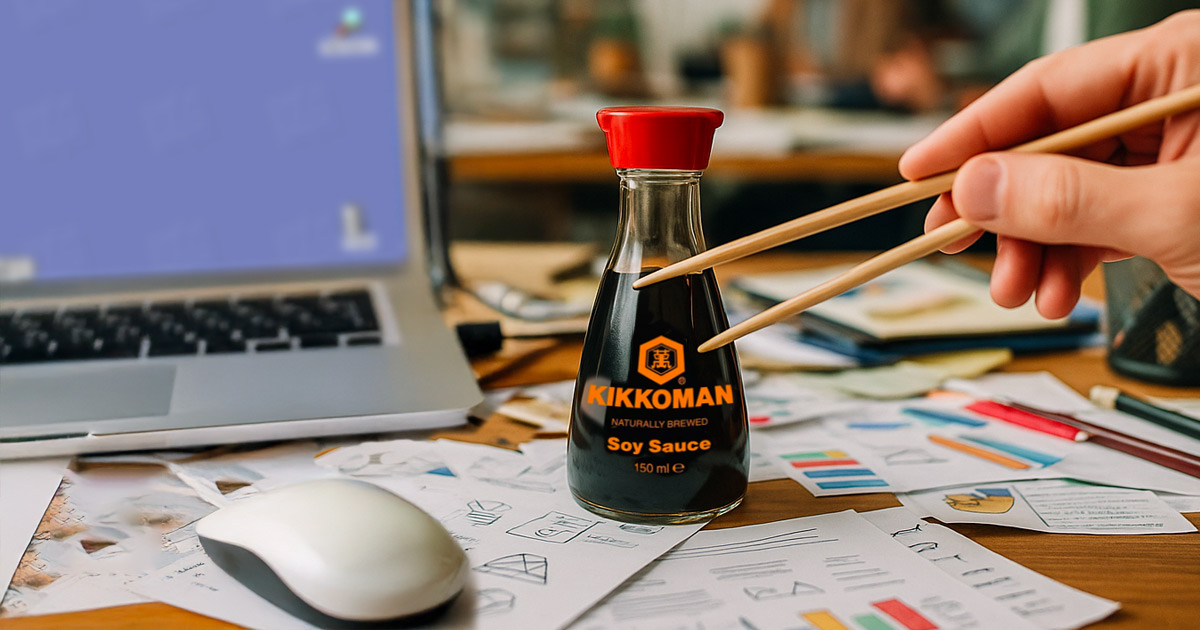
He pointed at a bottle of
Kikkoman
with his chopsticks.
“Junnu. Make
something like that.”
I remember thinking:
Is he serious?
Then he kept going.
“Do you know what that is?”
He tapped the label again.
“Kikko means shell.
Man means 10,000.”
I just stared at it.
He continued, casually, like it was obvious:
“The turtle lives 10,000 years.
Longevity. Stability. Prosperity.”
Another tap.
“That hexagon? Turtle shell.
The symbol? 10,000.”
Then he looked at me.
Properly this time.
“When the story is right, the logo is strong.”
Brand clarity
The Realization
I had never asked the real question.
Not once.
What does this community actually mean
to the people inside it?
I assumed.
And the logo reflected that assumption.
The real problem
wasn’t the logo
The brand didn’t feel right.
Not just the logo.
Everything.
Colors from the agency.
A quickly adjusted version of my logo.
Stock imagery layered on top.
Nothing was technically wrong.
But nothing belonged together.
What clarity actually is
Clarity is not visual.
It’s relational.
If people don’t see themselves in it,
they step away.
Quietly.
No drama.
Just distance.
That’s what I was seeing.
The second chance
In 2025, we had a meeting.
The client said:
“I don’t want to share our homepage.
Something feels off.”
I felt it again.
That same discomfort.
But this time, I didn’t push it away.
I said:
“Let’s do this properly.
Not fast.
Properly.”
The shift
I stopped designing.
I started asking.
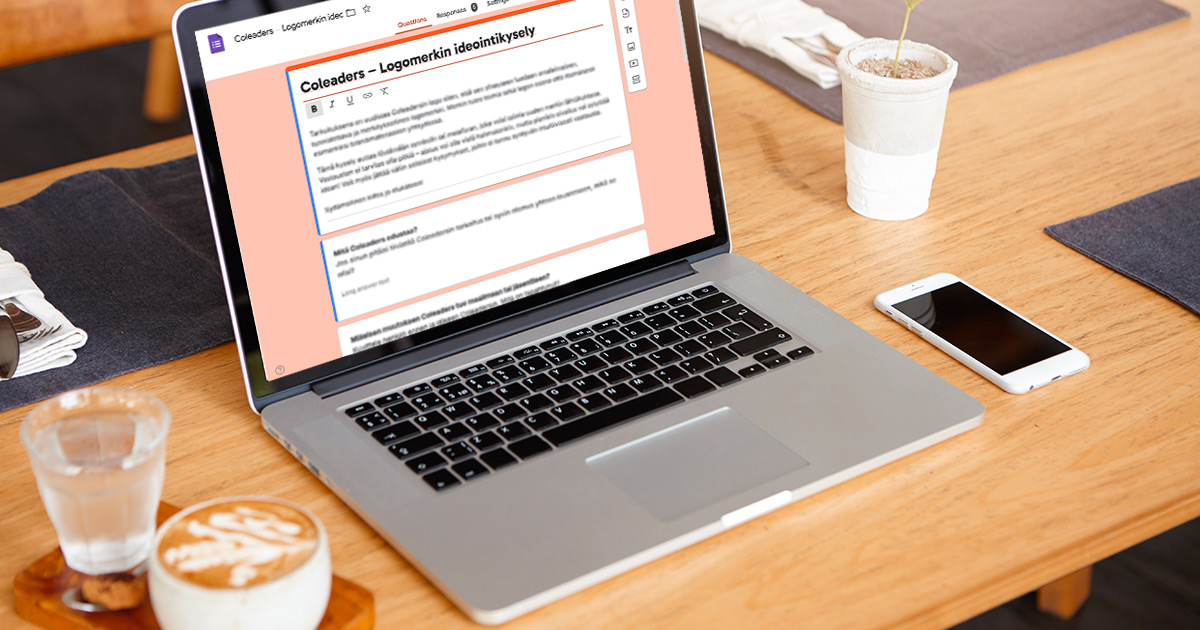
I sent a survey to the community.
Not about logos.
About meaning.
- What does this feel like?
- Why are you here?
- What changes when you’re part of this?
And something happened.
Not instantly.
But clearly.
The real story
Coleaders is not a destination.
It’s a shared process.
People described it as:
– A space to pause
– A place to ask
– A way to move forward together
– A structure that doesn’t force hierarchy
– A community that strengthens individuals without elevating one voice above others
This was the identity.
Not efficiency.
Not performance.
Growth through connection.
When identity becomes visible
The design followed.
Not the other way around.
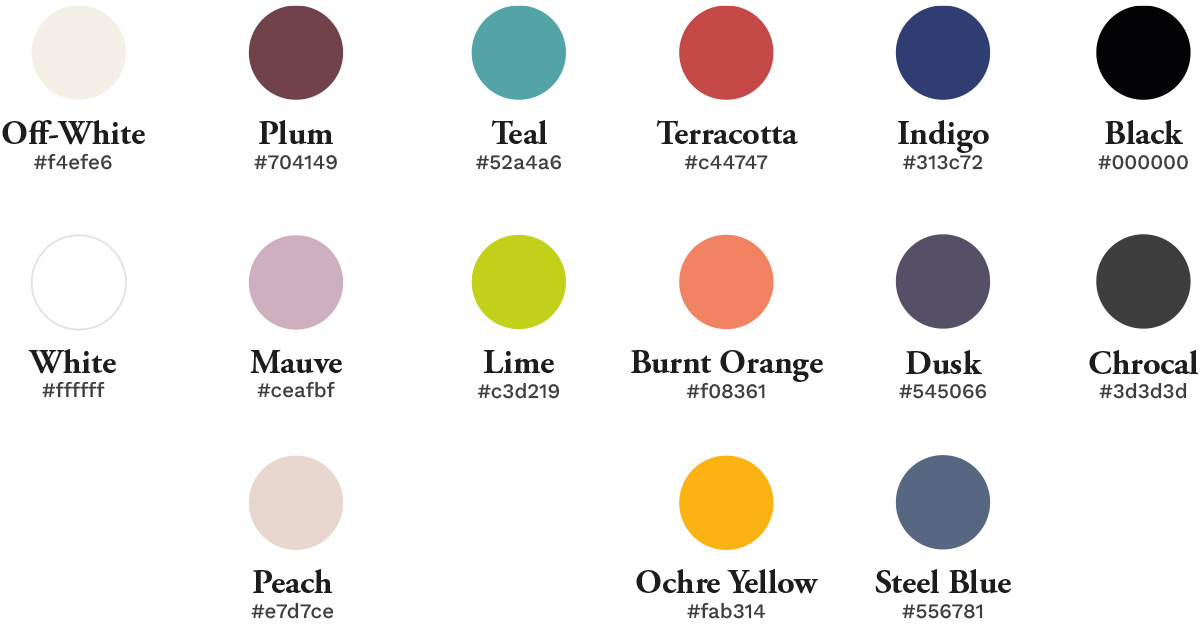
Color
The old brand was loud.
Bright orange. Attention-driven.
The new palette became muted. Layered.
No single color dominates.
Because no single voice dominates.
Typography
Three roles:
– Garamond → depth, thought
– Work Sans → clarity, usability
– Caveat → human imperfection
Not aesthetic choices.
Signals of how the community thinks.

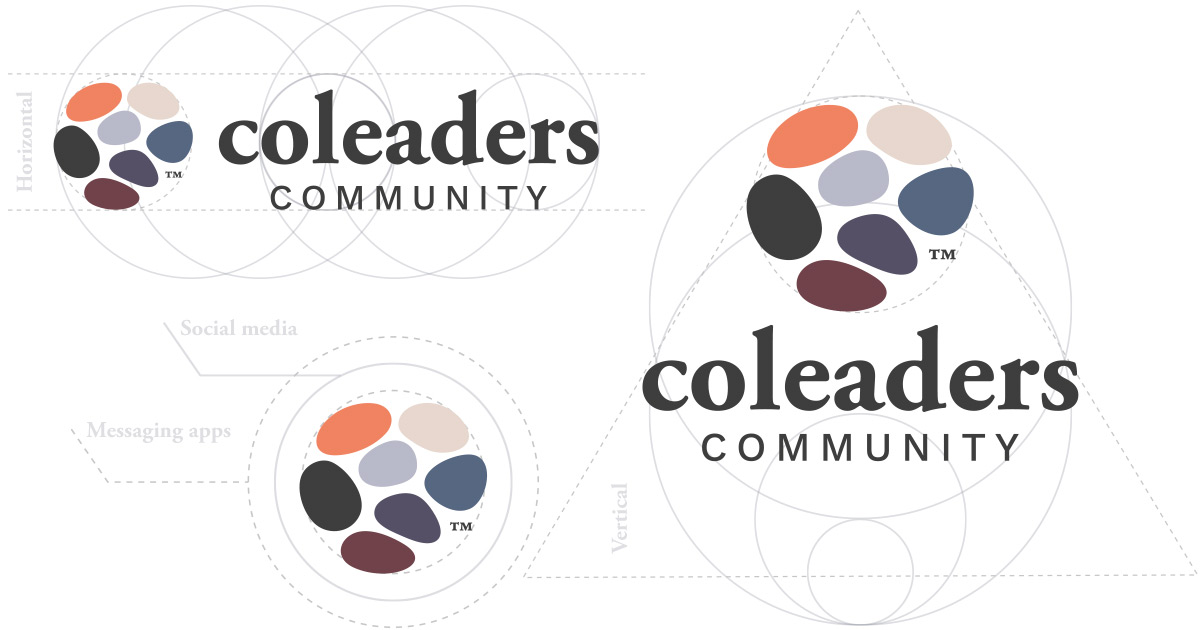
The logo
I didn’t aim for a perfect shape.
I aimed for meaning.
The concept became:
Suiseki (水石) — the Japanese art of appreciating natural stones.
Separate elements.
No fixed structure.
Movement without hierarchy.
Each piece stands alone.
But gains meaning together.
What changed
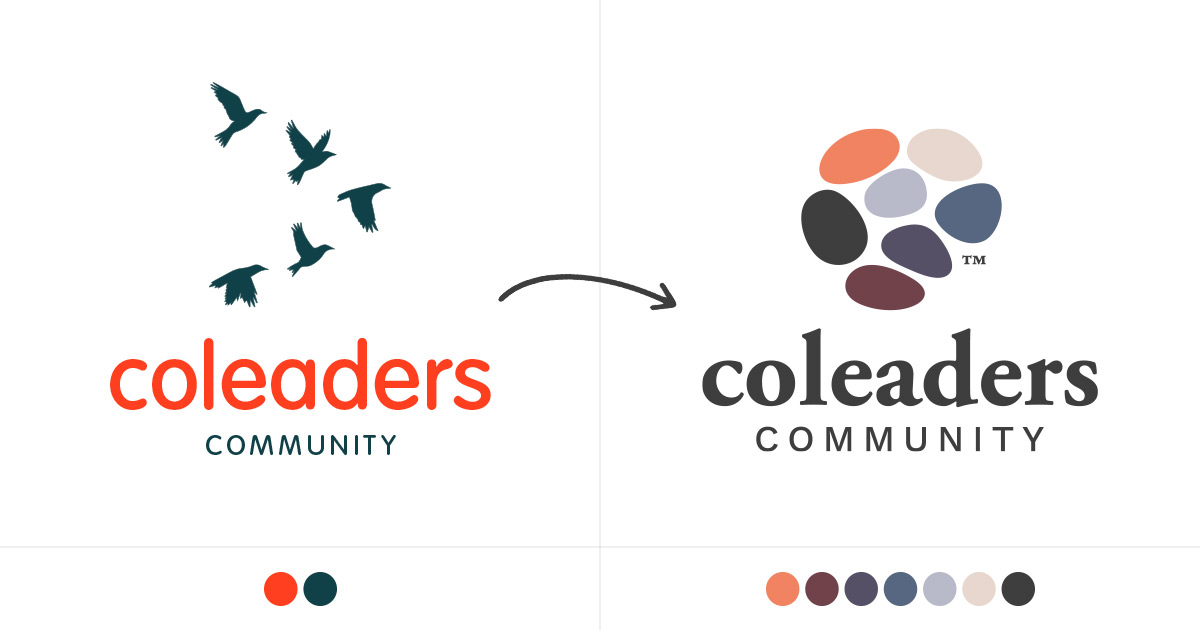
Before:
I made something that looked right.
After:
We created something that felt right.
To them.
Not to me.
What I learned
I didn’t fail because I made a bad logo.
I failed because I assumed identity
instead of discovering it.
Clarity doesn’t come from simplifying visuals.
It comes from aligning what people see
with what they already feel.
Closing
I still make assumptions.
I still move too fast sometimes.
But I recognize the signal earlier now.
That quiet moment where something feels skipped.
That’s usually where clarity is lost.
And if you ignore it —
it will show up later.
Not as feedback.
But as silence.
Sami
Your lesson didn’t land when you said it.
It landed years later.
At the exact moment I needed it.
Sometimes I still think about that scene.
Your desk.
The chopsticks.
The soy sauce bottle.
And I realize—
You weren’t showing me a logo.
You were showing me how to see.
I miss you, Sami San.
I wish I could tell you this now.